
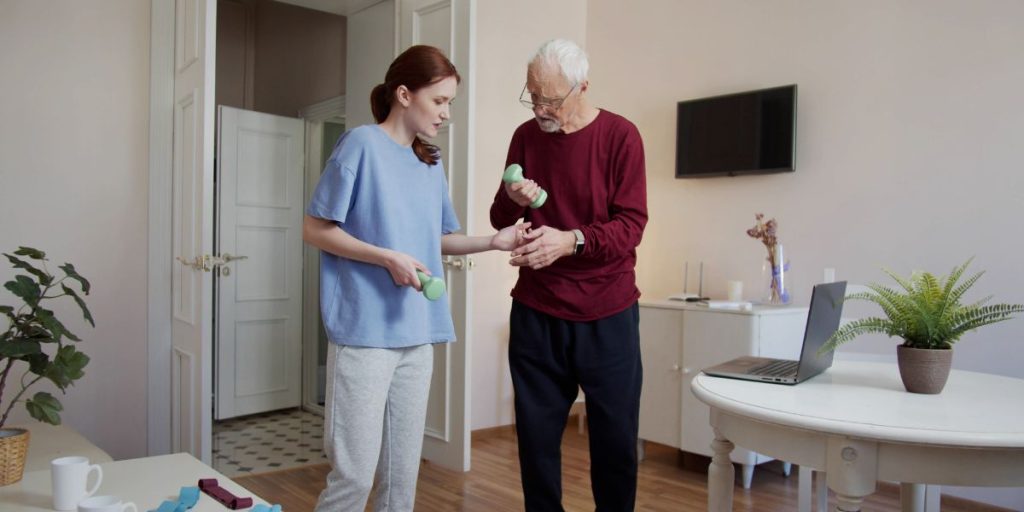
Caring for a loved one with dementia or Alzheimer’s is one of life’s most rewarding—and challenging—journeys. From forgetfulness and confusion to difficulty with everyday tasks, these memory-related conditions affect both seniors and their families.
This is where Non-Medical In-Home Care Assistance makes a significant difference. Beyond basic support, it provides compassionate, structured care that enhances safety, independence, and emotional well-being. Imagine your loved one receiving gentle guidance, companionship, and personalized support in the comfort of their own home—while you gain peace of mind knowing they are cared for by professionals.
In this guide, we will explore how Non-Medical Assistance transforms the daily lives of seniors with dementia or Alzheimer’s, offering practical strategies and real-world benefits.
1. Personalized Care Plans for Every Senior
No two seniors experience dementia or Alzheimer’s in the same way. Cognitive challenges, mobility issues, and emotional needs vary widely. That’s why Non-Medical In-Home Care Assistance begins with a personalized care plan.
Caregivers assess your loved one’s abilities, routines, and preferences, then tailor support accordingly. This might include:
- Gentle reminders for medications or appointments
- Assistance with personal hygiene while respecting privacy
- Structured daily routines to reduce confusion and agitation
By focusing on individualized care, seniors feel seen and understood, which improves confidence and emotional stability.
2. Safety First: Preventing Accidents and Hazards
Seniors with dementia or Alzheimer’s are at higher risk of falls, wandering, and household accidents. Non-Medical Home Care Assistance provides constant supervision and proactive safety measures, including:
- Monitoring mobility and providing physical support when needed
- Making home modifications to reduce hazards (e.g., grab bars, non-slip mats)
- Ensuring medications are organized and taken correctly
These safety interventions are crucial for maintaining independence while reducing stress for both seniors and their families.
3. Cognitive Stimulation and Memory Support
While non-medical care doesn’t replace medical treatment, it plays a vital role in cognitive health. Caregivers engage seniors in activities that stimulate the brain, such as:
- Memory games, puzzles, or art projects
- Structured conversations to encourage recall and reasoning
- Routine-based exercises that reinforce daily habits
Regular mental engagement can slow cognitive decline, improve mood, and reduce anxiety. Seniors feel more purposeful and connected, creating a richer quality of life.
4. Emotional Well-Being Through Companionship
Isolation and loneliness are common among seniors with dementia or Alzheimer’s, often worsening symptoms. Non-Medical Home Care Assistance offers emotional support and genuine companionship.
Caregivers spend quality time talking, sharing stories, and participating in hobbies your loved one enjoys. This human connection:
- Reduces stress and agitation
- Boosts mood and self-esteem
- Enhances overall mental and emotional health
The simple act of having someone truly present can transform a senior’s day, making them feel valued and cared for.
5. Supporting Daily Living Activities
From cooking and cleaning to managing appointments, daily tasks can quickly become overwhelming. Non-Medical Home Care Assistance helps seniors handle these responsibilities with dignity, including:
- Meal preparation tailored to dietary needs
- Light housekeeping to maintain a safe, comfortable home
- Transportation for errands or medical visits
By managing these tasks, caregivers free seniors to focus on meaningful activities, hobbies, and social engagement, improving both mental and physical health.
6. Preserving Independence
A key principle of Non-Medical In-Home Care Assistance is helping seniors remain independent for as long as possible. Caregivers provide the right level of support without taking over completely.
Maintaining independence:
- Boosts self-confidence and self-worth
- Reduces feelings of helplessness or frustration
- Encourages seniors to participate in decisions about their care
Seniors feel empowered rather than dependent, which directly impacts their emotional well-being and overall quality of life.
7. Giving Families Peace of Mind
Caring for a loved one with dementia or Alzheimer’s can be exhausting. Non-Medical In-Home Care Assistance reassures families that their loved one is safe, supported, and emotionally fulfilled.
Families gain:
- Relief from the daily pressure of caregiving
- Confidence in the quality and reliability of care
- More meaningful time with their loved one, rather than constant worry
This support not only strengthens family bonds but also reduces caregiver burnout—a critical factor in long-term care planning.
8. Encouraging Social Engagement and Routine
Consistent routines and meaningful social interaction play a vital role in supporting seniors with memory-related conditions. Non-Medical In-Home Care Assistance promotes engagement by establishing predictable daily schedules that provide structure and familiarity, reducing confusion and stress. Caregivers also encourage participation in hobbies, light exercise, and appropriate community interactions to keep seniors mentally and physically active. In addition, they help facilitate visits with family and friends, strengthening emotional connections and preventing social isolation. Together, routine and social engagement help reduce anxiety, improve cognitive function, and foster a sense of purpose, allowing seniors to experience greater joy, comfort, and mental clarity in their everyday lives.
Final Thoughts
Seniors with dementia or Alzheimer’s need care that extends beyond basic help. Non-Medical In-Home Care Assistance provides personalized support, companionship, and safety at home, helping seniors maintain independence and improve well-being.
This care offers families peace of mind and the chance to strengthen connections. Investing in Non-Medical Home Care ensures loved ones experience dignity and joy in a familiar setting.
Take the first step toward peace of mind. Connect with our experienced care team to explore flexible, reliable home care solutions.